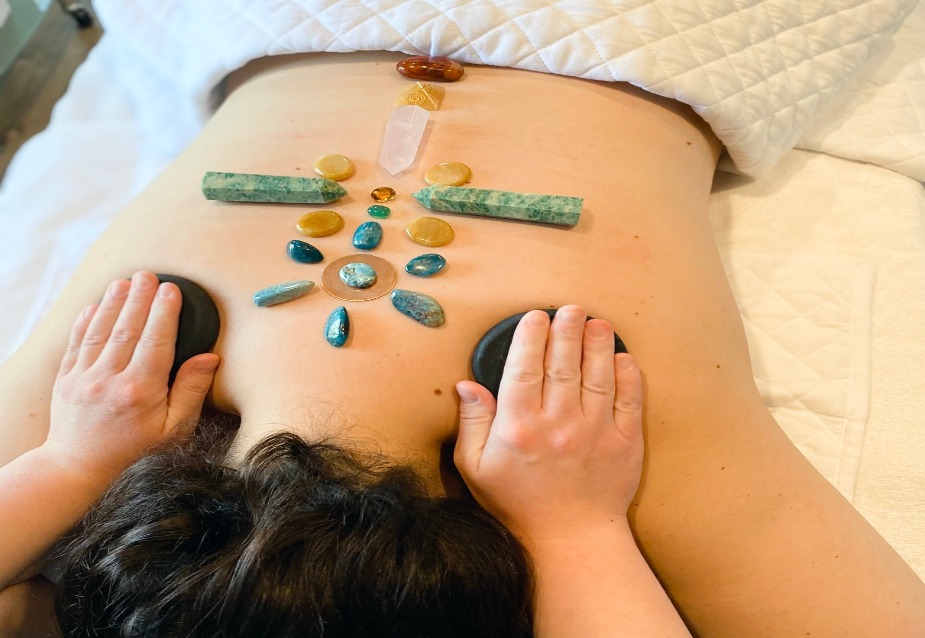
In the management of chronic stress, individuals frequently look to standard physical relaxation methods, such as remedial massage or heat therapy, to relieve muscular tension. While these modalities address localised musculoskeletal tightness, they do not always interrupt the underlying neurological pathways driving chronic stress. For corporate professionals and caregivers experiencing prolonged emotional fatigue, achieving deep relaxation requires targeting the autonomic nervous system directly.
The Physiology of Chronic Sympathetic Activation
The autonomic nervous system fluctuates between two primary operational states designed to regulate physiological responses:
- The Sympathetic Branch (“Fight-or-Flight”): Triggered by perceived stressors, deadlines, or prolonged caregiving demands. This state increases heart rate, elevates cortisol and adrenaline production, prioritises blood flow to skeletal muscles and suppresses non-essential systemic functions such as digestion and cellular repair.
- The Parasympathetic Branch (“Rest-and-Digest”): Responsible for down-regulating heart rate, lowering systemic blood pressure, restoring metabolic equilibrium and facilitating cellular regeneration and immune function.
Under conditions of modern chronic stress, the human body can become locked in a state of persistent sympathetic activation. Even during periods of physical inactivity—such as sitting in a hot bath or receiving a superficial massage—the brain may continue to perceive operational demands, preventing the nervous system from transitioning into a restorative parasympathetic state. This persistent neurological state contributes to long-term cognitive burnout, sleep fragmentation and emotional exhaustion.
The Role of Reiki in Autonomic Regulation
Reiki operates as a non-invasive, subtle energetic modality that assists the nervous system in transitioning out of persistent sympathetic overload. Unlike physical bodywork that manually manipulates soft tissue, Reiki focuses on shifting systemic energetic states to encourage deep mental and physiological unwinding.
Some observations of deep energy work demonstrate specific physiological changes associated with parasympathetic dominance:
- Deceleration of Heart Rate Variability: The transition out of a stress state stabilises cardiac rhythms, indicating a reduction in circulating stress hormones.
- Suppression of Neurological Hypervigilance: By lowering central nervous system arousal, the session allows the brain to transition from high-frequency beta waves into slower alpha and theta brainwave states, which are associated with deep rest and emotional processing.
- Activation of Endogenous Healing Pathways: Once the metabolic demands of the sympathetic state are reduced, the body can redirect energy toward cellular repair, immune system maintenance and the integration of repressed emotional fatigue.
Achieving long-term relief from modern burnout requires moving beyond superficial physical treatments. Integrating energetic modalities like Reiki into a wellness routine provides a structured framework for down-regulating the nervous system, helping individuals recover from deep burnout and restore systemic equilibrium.