In modern work and family environments, chronic stress and high cognitive demands can lead to burnout—a state of physical, emotional and mental exhaustion. Busy professionals, caregivers and parents often experience persistent fatigue, brain fog and heightened reactivity. When conventional relaxation methods like passive screen time or short breaks fail to alleviate chronic tension, complementary practices such as Reiki can offer supportive relaxation to help manage stress.
The Physiology of an Overstimulated Nervous System
Prolonged stress continuously triggers the sympathetic nervous system—often referred to as the body’s “fight or flight” response. When activated chronically:
- Hormonal Response: Elevated secretion of stress hormones like cortisol and adrenaline keeps the body in a state of high physiological alert.
- Physical Tension: Muscle tightness, elevated heart rate, shallow breathing and altered sleep patterns become persistent.
- Cognitive Fatigue: Constant sensory input and stress impair mental clarity, focus and emotional regulation.
To recover from burnout, the body needs to transition from sympathetic overdrive into parasympathetic dominance—the “rest and digest” state where physiological repair and relaxation occur.
Understanding Reiki as a Relaxation Modality
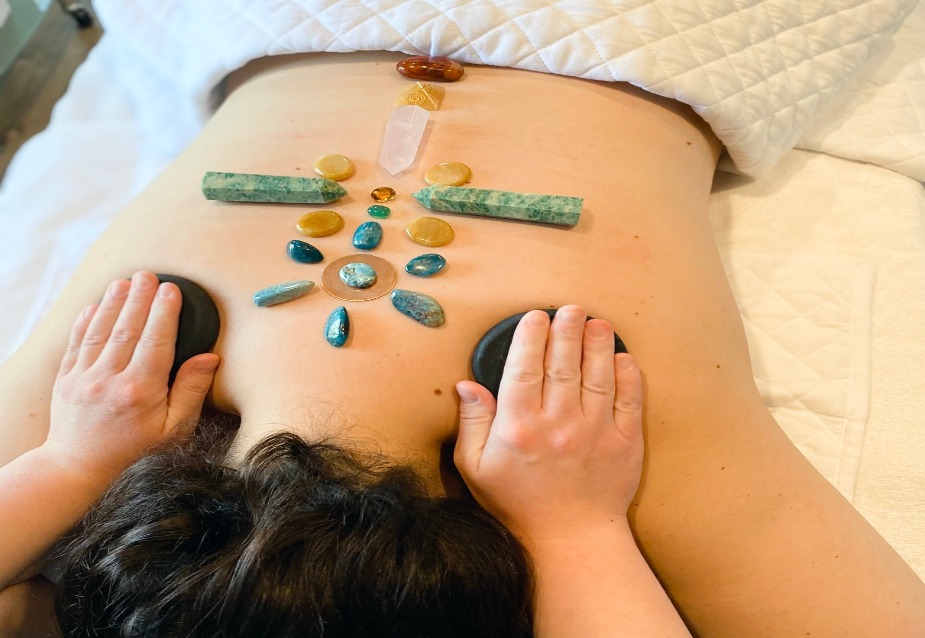
Reiki is a non-invasive, gentle technique that originated in Japan. Practitioners place their hands lightly on or just above the clothed body in specific positions. From a holistic wellness perspective, Reiki aims to support balance in the body’s subtle energy fields. From a relaxation perspective, the quiet environment, structured touch and calm setting provide conditions conducive to deep physical and mental rest.
Potential Benefits for Stress and Well-Being
While Reiki is a complementary practice and not a substitute for clinical medical or psychological treatment, individuals frequently utilise it to support general well-being during periods of burnout:
- Promoting Parasympathetic Activation: The calm, low-sensory environment of a session helps quiet sensory overstimulation, facilitating slower heart rates and deeper breathing.
- Stress Reduction and Mental Clarity: By encouraging deep relaxation, gentle energy work can help reduce feelings of mental clutter, supporting temporary relief from acute stress and emotional fatigue.
- Enhanced Rest: Many clients report improved restfulness and a sense of calm following sessions, which can aid overall lifestyle recovery efforts.
Integrating Complementary Care for Burnout Recovery
Addressing burnout effectively often requires a multi-faceted approach, including workload adjustment, professional healthcare support, adequate sleep and dedicated downtime. Integrating holistic practices like Reiki can serve as a supportive tool within a broader self-care routine, offering a tranquil space to rest, quiet the mind and ease stress. Live Reiki provides gentle session options to assist individuals seeking quiet relaxation and stress management support.