For decades, Western medicine and Eastern energy therapies existed on completely opposite sides of the healthcare spectrum. Traditional clinical spaces relied strictly on pharmaceutical and surgical interventions, while holistic therapies were often viewed with scepticism.
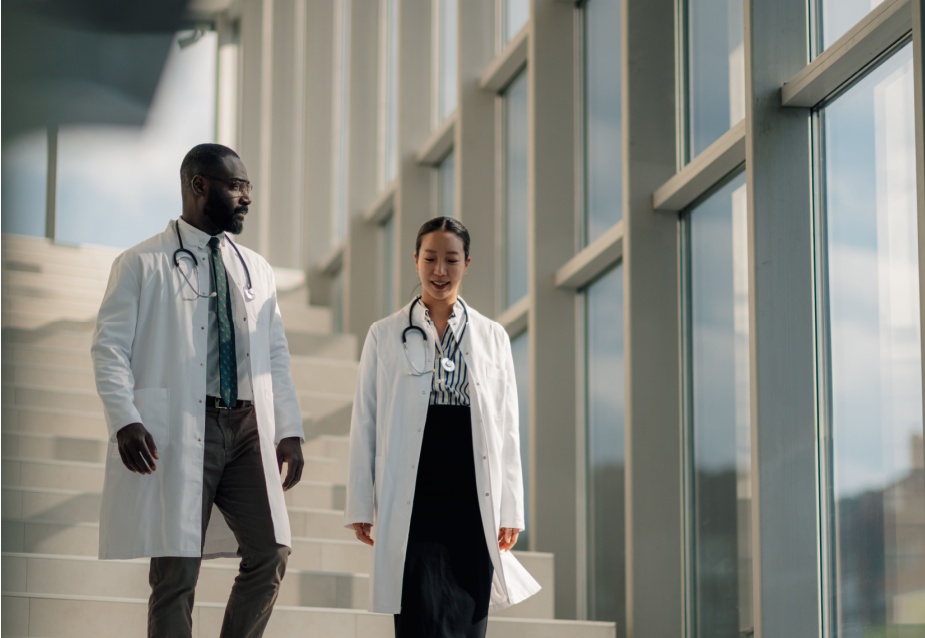
However, a major shift is occurring across the global healthcare landscape. Today, an increasing number of Western medical professionals—including doctors, physiotherapists and nurses—are actively embracing and incorporating Reiki into their patient care strategies.
This crossover isn’t about replacing Western medicine; it’s about enhancement. When traditional medical science is paired with non-invasive energy healing, patient outcomes improve dramatically.
A Unique Perspective on Complementary Care
To understand why this integration is so powerful, one only needs to look at the professional journey of Uli Brell, the founder of Live Reiki. Before dedicating her life to holistic energy healing and serving as a trauma-sensitive Reiki therapist, Uli operated deep within the traditional Western healthcare system as a Registered Nurse in Europe, later earning a Master of Counselling.
With feet firmly planted in both clinical science and emotional wellness, Uli’s unique background highlights exactly why healthcare workers are turning to Reiki. Professionals who understand the physical limitations of a hospital ward quickly realise that a patient’s recovery relies on more than just physical monitoring—it requires energetic and emotional support.
3 Ways Reiki Enhances Clinical Environments
Reiki is an ancient Japanese technique that utilises gentle, non-invasive hand placements to guide energy flow and stimulate the body’s natural healing mechanisms. In modern clinical and therapeutic settings, it serves three critical functions:
- Accelerating Post-Operative Recovery and Pain Management: Clinical studies show that when patients receive Reiki before or after surgery, their reported pain levels drop significantly. Because Reiki does not interfere with chemical prescriptions, it works safely alongside pain medications, lowering a patient’s physiological distress and allowing their tissues to heal faster.
- Deactivating the Chronic Stress Response: Hospitals and medical treatments can induce severe anxiety. Chronic stress floods the body with cortisol, which actively suppresses the immune system and stalls recovery. Reiki immediately calms the sympathetic nervous system (the “fight-or-flight” response) and activates the parasympathetic nervous system, inducing a state of deep relaxation where real systemic repair can occur.
- Safely Navigating Complex Emotional Trauma: Physical ailments are frequently intertwined with deep emotional wounds or trauma. Traditional talk therapy is vital, but trauma is also physically stored within the body. Reiki provides a gentle, silent and safe container for individuals to release dense, trapped emotional energy without forcing them to verbally relive painful memories.
The Future of Integrative Medicine
Reiki programs are increasingly being introduced into palliative care units, oncology departments and pre-surgery routines worldwide. Healthcare professionals are validating what Eastern practitioners have known for centuries: true health requires treating the mind, body and spirit as one connected ecosystem.
Whether you are looking to manage chronic pain, lower your stress levels, or process emotional blockages, a holistic approach is the key to lasting wellness. To learn more about gentle energy therapy, explore the workshops, retreats and private sessions offered by Uli at Live Reiki.