It’s one of the most common things people say when they first reach out: “I’m interested, but I’m not really a spiritual person.” Sometimes it comes with an apologetic laugh, as though they’re confessing to being unsuitable for something they’d genuinely like to try.
If this is you, this piece is written specifically for you.
Let’s Start with What Reiki Is Not
Reiki is not a religion. It is not connected to any faith tradition, does not require you to hold any particular beliefs and will not ask you to adopt a worldview you don’t have. You do not need to believe in anything for Reiki to be worth trying — including Reiki itself.
This isn’t a technicality or a marketing softener. It’s simply accurate. Reiki is a hands-on and hands-off energy technique with Japanese origins, practised across many cultures for many decades and received by people whose worldviews range from devoutly religious to firmly materialist. What they tend to share is a report of feeling calmer, more settled and more able to function after a session — regardless of what framework, if any, they use to explain that experience.
What Actually Happens in a Session
For the sceptical reader, it helps to know what a Reiki treatment practically involves, stripped of any language that might feel alienating.
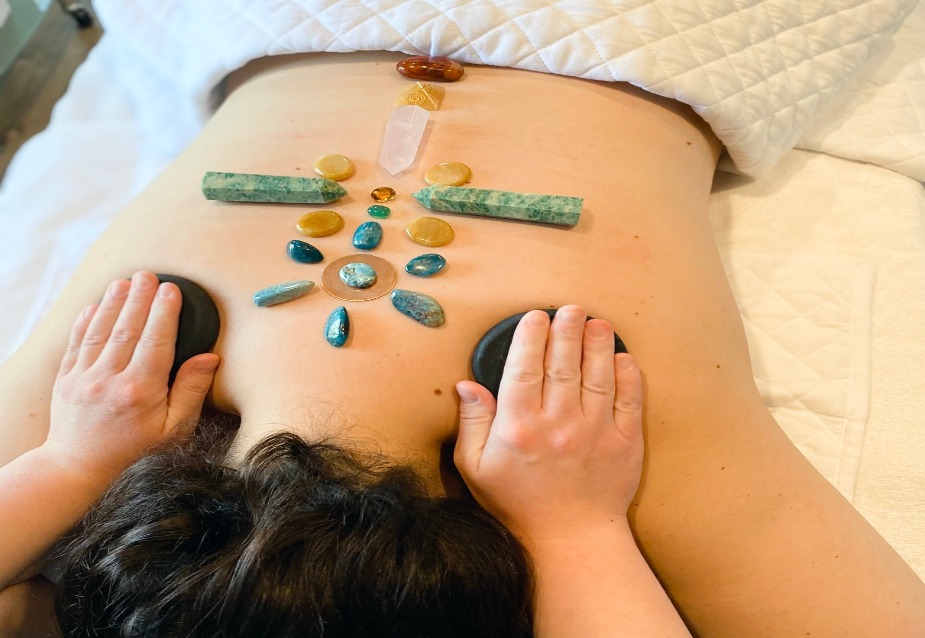
You lie down, fully clothed, in a quiet and comfortable space. The practitioner places their hands gently on or near different areas of your body, remaining in each position for a period of time. You are invited to simply rest. Most people find themselves relaxing quite deeply — some fall asleep. The session typically lasts an hour.
That’s it. There is no diagnosis, no manipulation, no equipment and no requirement to talk about anything if you’d prefer not to.
What people report afterwards varies: some describe a deep sense of calm that persists for days. Others notice improved sleep, reduced anxiety or simply a clearer head. Some feel very little the first time and more in subsequent sessions. Some find it useful primarily as structured, enforced rest in a life that doesn’t allow much of it — which is itself a meaningful outcome.
What Sceptics Actually Experience
Among the students and clients who have trained and received treatments, a consistent pattern emerges among those who arrived sceptical: they tend to describe the experience as more straightforward and less strange than they expected. The language around energy and life force can sound abstract in writing, but the physical experience of lying quietly while a calm, experienced practitioner works is simply relaxing — and relaxation, as most people understand intuitively, has real effects on the body and mind.
You don’t need to resolve the question of why it works in order to notice whether it does.
An Invitation, Not a Conversion
If you’ve been curious about Reiki but have been holding back because you weren’t sure you had the right credentials — the right beliefs, the right openness, the right vocabulary — you can let that go. There are no right credentials. There is only a willingness to turn up and see what happens.
That’s a bar most sceptics can clear.